


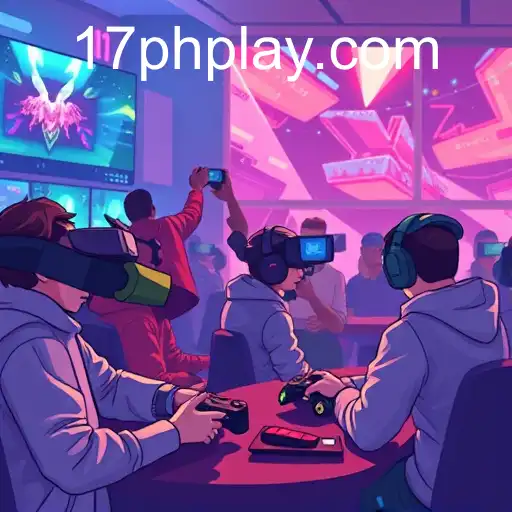
In recent years, the gaming industry has undergone a transformation that has reshaped its perception and significance in society. With platforms like "17ph" leading the charge, the evolution of gaming culture is more evident than ever before. This article explores the current state of gaming, its cultural impact, and the dynamics surrounding this ever-growing community.
The year 2025 marks another significant milestone in gaming as industry leaders continue to innovate and introduce new technologies. With advancements in virtual reality and artificial intelligence, games have become more immersive, offering players unparalleled experiences. Websites such as "17ph" have contributed significantly to this evolution by providing gamers a platform to access the latest games, engage with community events, and participate in global tournaments.
The influence of gaming extends beyond entertainment. It has become a social phenomenon, blurring the lines between virtual and real-world interactions. Communities are thriving as gamers find common ground in shared interests, leading to the formation of lasting relationships. The sense of belonging that gaming provides is reminiscent of traditional social clubs but with a broader, global reach.
Moreover, the monetization models have evolved, with e-sports and live-streaming turning into lucrative careers for many. The rise of influencers and professional gamers has created new avenues for income, challenging traditional job structures and opening up discussions about work-life balance and digital careers.
Despite these positive developments, certain challenges persist. Issues like online harassment and digital addiction remain prevalent concerns within the community. Initiatives by leading platforms to create safer gaming environments show promise, but ongoing vigilance is necessary to address these challenges effectively.
The growth of gaming culture signifies a shift in societal values toward tech-centric lifestyles. As we move further into 2025, platforms like "17ph" will continue to play a pivotal role in shaping the future of gaming and its place in our daily lives. It will be interesting to see how this dynamic landscape continues to evolve, affecting not only entertainment but also education, professional sectors, and social interactions globally.